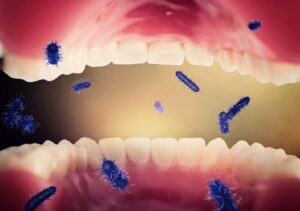
Your mouth may feel clean after brushing your teeth, but it’s actually home to a remarkably large community of microorganisms. In fact, researchers estimate that the human mouth contains hundreds of billions of bacteria at any given time. While that may sound alarming, most oral bacteria are harmless or even beneficial when your mouth’s microbial community is balanced. Maybe now you can appreciate why daily oral hygiene and regular dental visits are so important!
Your Mouth is Home to Hundreds of Species
The oral microbiome includes more than 700 known species of bacteria, along with fungi, viruses, and other microorganisms. These microbes live on your teeth, tongue, gums, cheeks, and other surfaces throughout your mouth.
The exact number of bacteria varies considerably from person to person and can change depending on factors such as diet, oral hygiene, saliva production, medications, and overall health.
Most of these microorganisms coexist peacefully with you. Problems can develop when certain harmful bacteria become too numerous and disrupt the balance of the oral microbiome.
Some Bacteria Help Keep Your Mouth Healthy!
Not every bacterium in your mouth is something you need to eliminate. Some microorganisms actually contribute to a healthy oral environment by competing with potentially harmful bacteria.
For example, certain species of Streptococcus are common members of the normal oral microbiome. Some bacteria help maintain the microbial balance in your mouth and interact with your immune system.
This is one reason antibacterial products aren’t necessarily meant to eliminate every microorganism in your mouth. The goal of good oral hygiene is to control harmful plaque and maintain a healthy microbial balance.
The Not So Good, Cavity-Causing Bacteria
Certain bacteria can contribute to tooth decay by feeding on sugars and producing acids, Streptococcus mutans being one well-known example. When these bacteria accumulate in dental plaque, they can produce acids that gradually weaken tooth enamel. Over time, repeated acid attacks can create cavities.
Reducing frequent exposure to sugary foods and drinks, brushing twice a day with fluoride toothpaste, and cleaning between your teeth can help control cavity-causing bacteria.
Some Bacteria Are Linked to Gum Disease
Other microorganisms are associated with periodontal disease. Bacteria that accumulate along and beneath the gumline can trigger inflammation. If plaque isn’t removed, it can eventually harden into tartar, allowing harmful bacteria to remain in place.
Early gum disease may cause red, swollen, or bleeding gums. Without treatment, it can progress and damage the tissues and bone supporting your teeth.
You don’t need to and really shouldn’t try to get rid of all bacteria from your mouth. Instead, focus on maintaining a healthy balance. Brush and floss every day, cut down on snacks and drinks containing sugar, drink lots of water, and visit your dentist for regular examinations and professional cleanings.
About the Practice
It doesn’t matter if it’s been 6 months or 6 years since your last dental checkup. We’re here to help you at Harris Parkway Dental Care, not judge you. We believe the best way to maintain a healthy smile is to stop problems before we start, hence the importance of preventive treatment visits twice a year. So if it’s been a while since your last checkup and cleaning, go ahead and book your appointment through our website or by calling our Fort Worth office at (817) 423-2223.